Previously I did a post on how to have some Fun With IPv6 Words, and how to generate an IPv6 word list, but one request I keep getting is for a smaller list of just the funny IPv6 words.
Previously I did a post on how to have some Fun With IPv6 Words, and how to generate an IPv6 word list, but one request I keep getting is for a smaller list of just the funny IPv6 words.
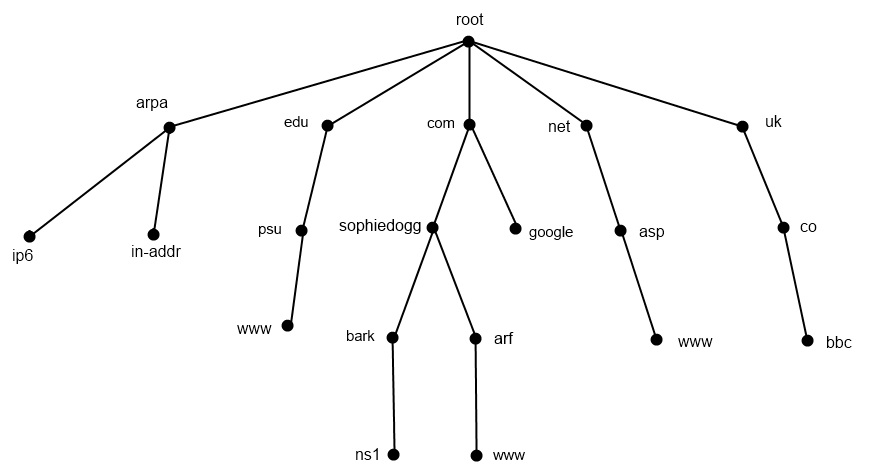
I always find it amazing how little so many people in IT actually know about DNS. Well, today I’m going to give you a brief overview of the basics of DNS, the Domain Name System. We’ll call this, an “Intro to DNS!”
Yesterday, a young pup at the pound asked me about hopping a proxy across multiple machines. Well, running a SOCKS5 proxy through multiple SSH servers isn’t all that hard, and can be fun at the same time! Today we will take a look at how to proxy through one or more SSH servers!
If you have spent any time with IPv6 addresses, you may have realized that there are many different words that you can spell within an IPv6 address. So, let’s take a look at all the different IPv6 words we can spell!
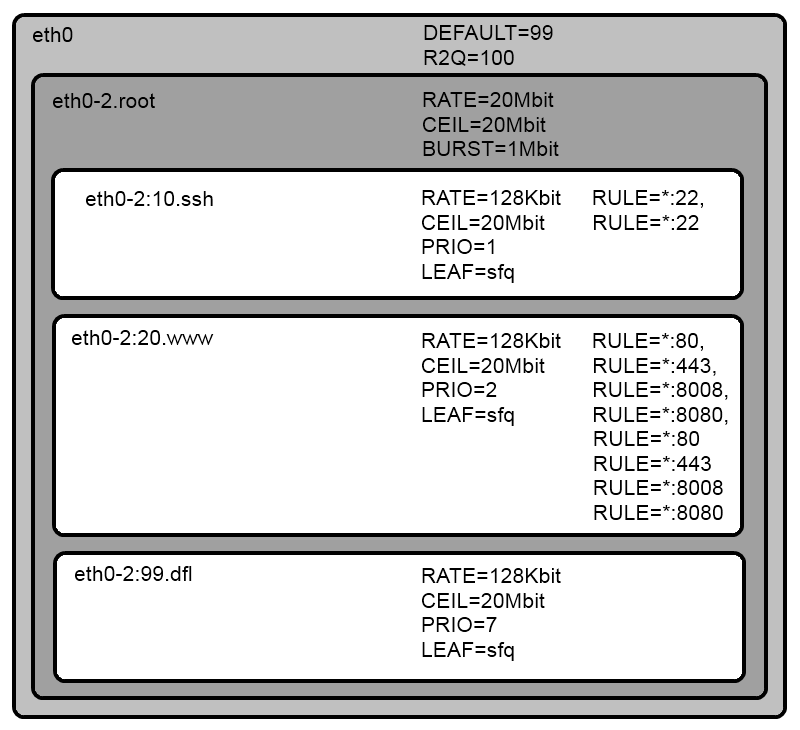
The Hierarchical Token Bucket Quality of Service (HTB QoS) system is a great tool to use for controlling the bandwidth of a network link, especially when you have a bunch of doggs on your network that love to use up all the internets they can get! Lets take a look at a quick and simple […]
There are many different methods of securing a publicly accessible server, and one of the best things a system administrator can do is use fail2ban to dynamically block potential attackers before they can do any damage.
So, you want to access IPv6 websites, but your ISP does not provide native IPv6 access? Well, here are some instructions for setting up a 6in4 IPv6 tunnel with Hurricane Electric!
Recently I was asked to create a webpage to summarize some data from a MySQL database for analysis. Creating webpages and running SQL queries isn’t something that I do on a regular basis; I mostly administrate the servers that these services run on. But I figured, why not?! I’m familiar with all of this stuff. […]
So after recently rebuilding one of the servers in my dogghouse, I realized that I hadn’t installed a uPNP/DLNA AV media server. Previously I had been using Fuppes, but the lack of active development and some other quirks made me re-think what I wanted to use. So, after comparing available packages, I decided to give […]
I’ve been using radvd for a while now to hand out IPv6 addresses to all the different devices in my Dogghouse, and I thought that it would be nice to have a working dynamic DNS setup for IPv6, in the same way as I have DDNS for IPv4.